Cut, Make & Trim
CMT (Cut, Make and Trim) is a well-established manufacturing model in the apparel industry, allowing garment manufacturers to focus primarily on the production process.
Cut refers to cutting garment patterns from fabric rolls.
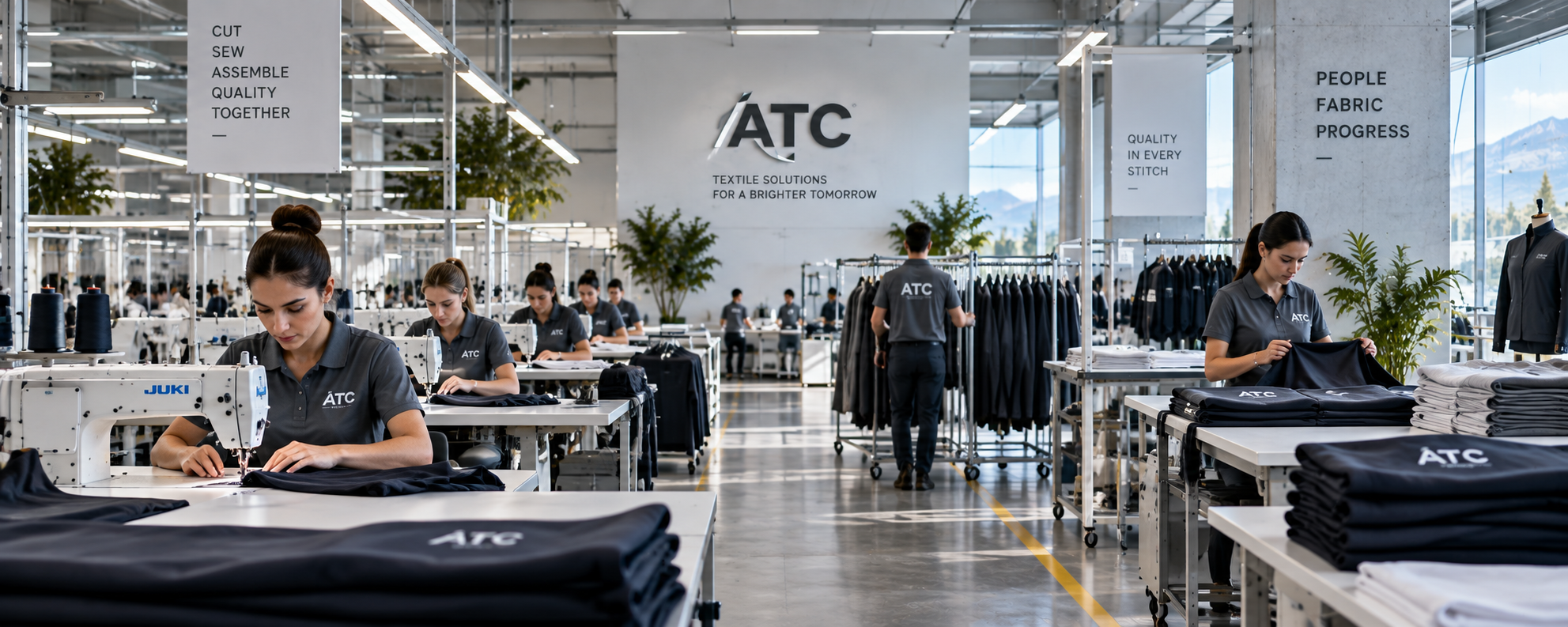
Make is the process of stitching and assembling the garment, including the required trims.
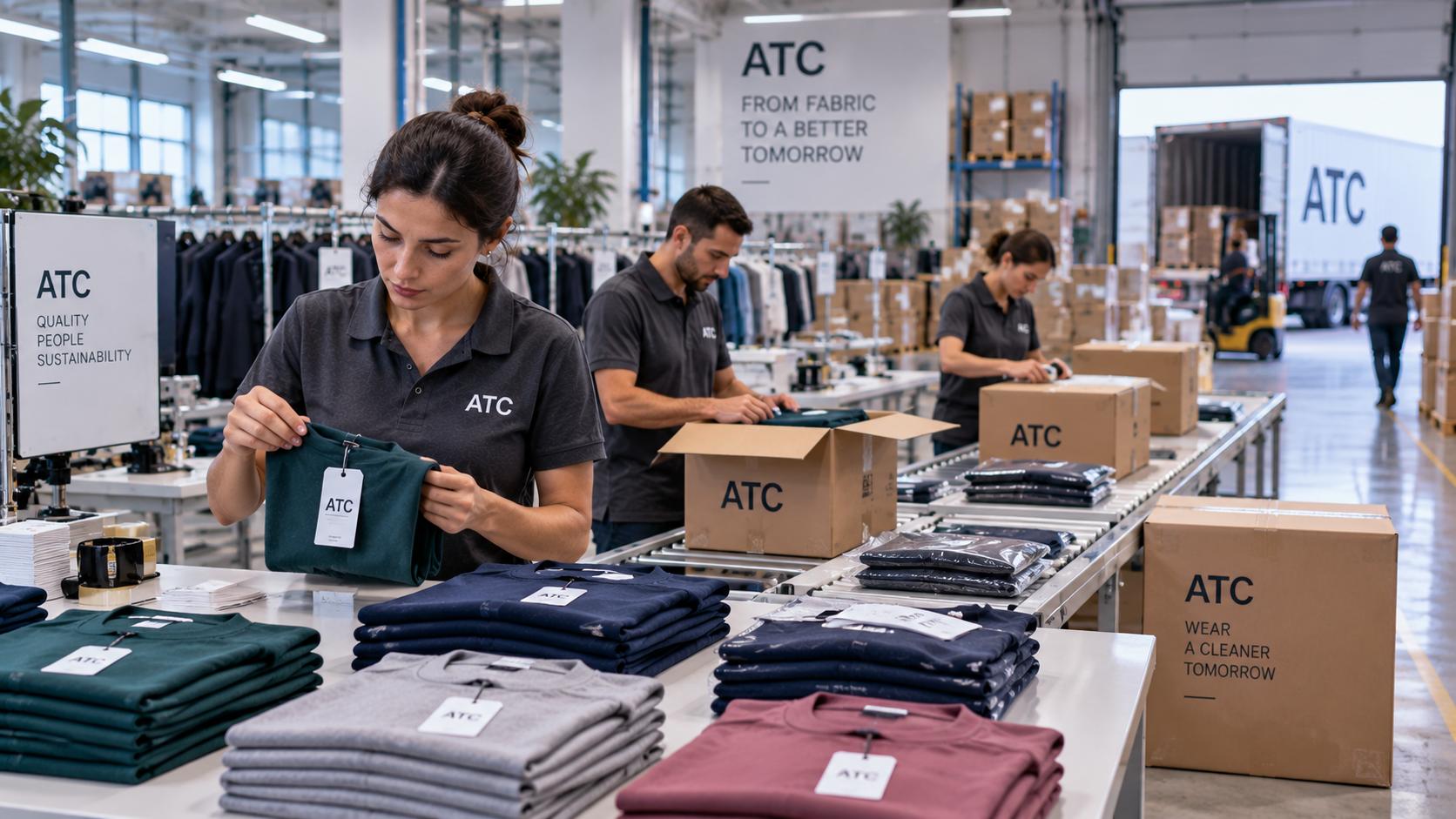
Trim covers the final stages after stitching, including thread trimming, cleaning, checking, finishing and packing.
In the CMT model, fabrics and trims are generally supplied by the buyer, while the manufacturer concentrates on transforming these materials into finished garments. Pre-production activities such as product development, pattern making and grading, as well as post-production activities such as shipping, may be handled by the buyer.
CMT is also used as a pricing model: the buyer pays the manufacturer for the Cut, Make and Trim operations carried out during production.
For Brands
CMT manufacturing gives brands greater control over fabric selection, material quality and overall product quality. As fabric represents a significant part of the garment cost, direct sourcing enables buyers to work with their preferred mills and suppliers while maintaining closer control over material specifications and sourcing costs.
The CMT model also provides greater transparency in manufacturing costs, as production charges and the manufacturer’s margin can be more clearly identified.
For Manufacturers
CMT manufacturers do not need to make the same level of investment in fabrics and other raw materials, helping reduce working-capital requirements and simplify factory operations.
The model can also support a leaner administrative structure and a more straightforward approach to accounting and cost-benefit analysis.
Because fabrics are generally supplied by the buyer, responsibility for fabric-related quality issues is also more clearly separated from the manufacturing process.
Garment manufacturing transforms textile fabrics into finished apparel through a sequence of carefully coordinated production stages.
Fabrics produced through weaving or knitting are cut, assembled and finished according to the specifications of each garment. Throughout the process, the required trims and accessories are added at the appropriate production stages.
Although individual workflows may vary depending on the garment, materials and production requirements, a typical manufacturing process follows a clearly defined path from pre-production to the finished product.
Before bulk manufacturing begins, a series of pre-production stages establishes the technical, material and quality requirements for the garment.
These typically include pattern making, garment sampling, fabric development, fabric and trim approvals, and sourcing.
Patterns are developed from the design sketch and product specification sheet, creating accurate templates for the individual components of the garment.
The first pattern is prepared during prototype development and refined as garment samples are evaluated. Patterns are subsequently graded for the required sizes, with final approval following the pre-production sample.
Modern CAD systems support pattern development and marker making, helping improve accuracy and optimise fabric utilisation
Garment samples are developed and submitted to the buyer for approval before bulk production begins.
Using the product tech pack as a technical reference, the sampling stage allows the factory to establish garment construction, verify material requirements and identify potential production issues before they reach the manufacturing line.
Sampling therefore serves not only as an approval stage, but also as an important technical development process supporting efficient bulk production.

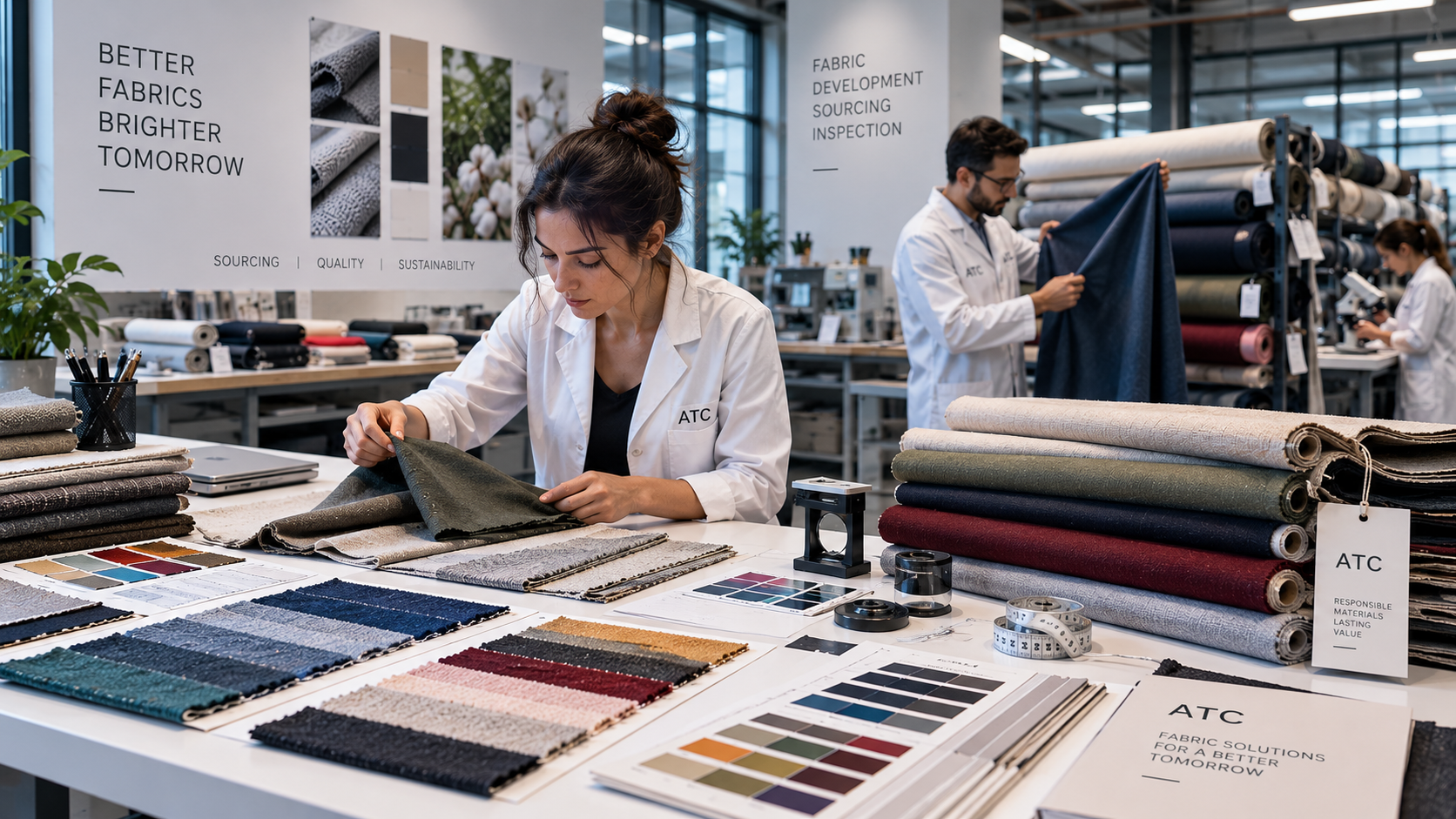
The selection and development of the right fabric is a fundamental stage in garment manufacturing. Fabrics may be knitted, woven or non-woven, with each garment requiring specific characteristics in terms of colour, fibre content, surface texture, hand feel, and physical and chemical properties.
When the required fabric is not readily available, manufacturers can work with suppliers to develop the desired material according to the specifications of the garment. Samples are evaluated and tested before approval and bulk production.
Once the fabric has been approved, the required quantity is calculated according to the estimated consumption per garment and the total production order.
The pattern-making and CAD departments support this process by determining fabric consumption, allowing the required quantities to be sourced from approved suppliers and prepared for production.
Before cutting begins, incoming fabrics are inspected to identify possible faults or variations that could affect the finished garment.
Depending on the material and quality requirements, fabrics may undergo full or random inspection, together with tests for characteristics such as GSM, shrinkage and colour bleeding. Where necessary, fabrics can be pre-shrunk or patterns adjusted to compensate for shrinkage before bulk cutting.
Efficient garment manufacturing depends on careful planning and coordination across every stage of production.
Production activities are scheduled and monitored in advance to ensure that each stage progresses according to the required timeline. A Time and Action (T&A) calendar supports production scheduling, process control and on-time order completion.
Fabric represents one of the most significant costs in garment manufacturing, making accurate planning and efficient material utilisation essential during the cutting process.
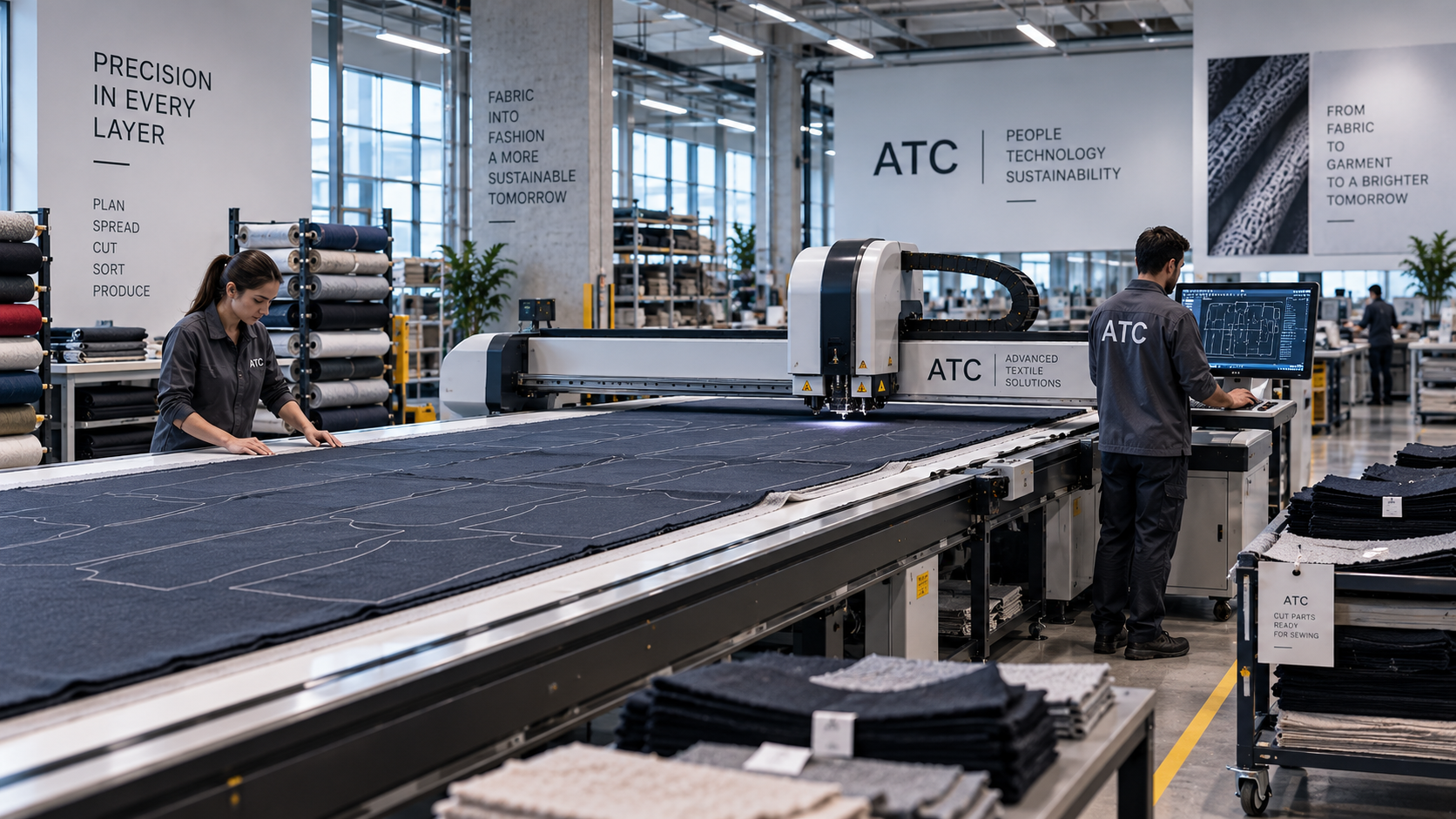
Before bulk cutting begins, a cut order plan is prepared and the required fabric is released from storage according to production requirements. Fabric rolls are then spread layer by layer on long cutting tables, either manually or using automatic spreading systems.
The number of fabric layers is determined according to the material and cutting requirements. Markers define the position of the individual garment components, helping achieve accurate cutting while optimising fabric utilisation.
Once the lay is prepared, the garment components are cut, identified, sorted and bundled before being dispatched to the sewing department. Throughout the process, cut components are checked for accuracy, measurements and possible fabric defects.
Printing and embroidery are optional value-added processes used according to the design and production requirements of each garment.
These operations may be carried out at the fabric stage or after individual garment components have been cut. Depending on production requirements, they may also be handled by specialised external facilities.
Once cutting and any required printing or embroidery operations are complete, garment components are transferred to the sewing department.
Here, skilled operators progressively stitch and assemble the individual components into complete garments. The sewing process combines a sequence of specialised operations, including part preparation, marking, folding and pressing, stitching and assembly, with quality checks carried out throughout production.
Operators are provided with the appropriate threads, needles, trims, guides and machine attachments required for each specific operation. Prepared components such as collars, cuffs and sleeves can be produced separately before entering the main assembly line, helping maintain an efficient and balanced production flow.
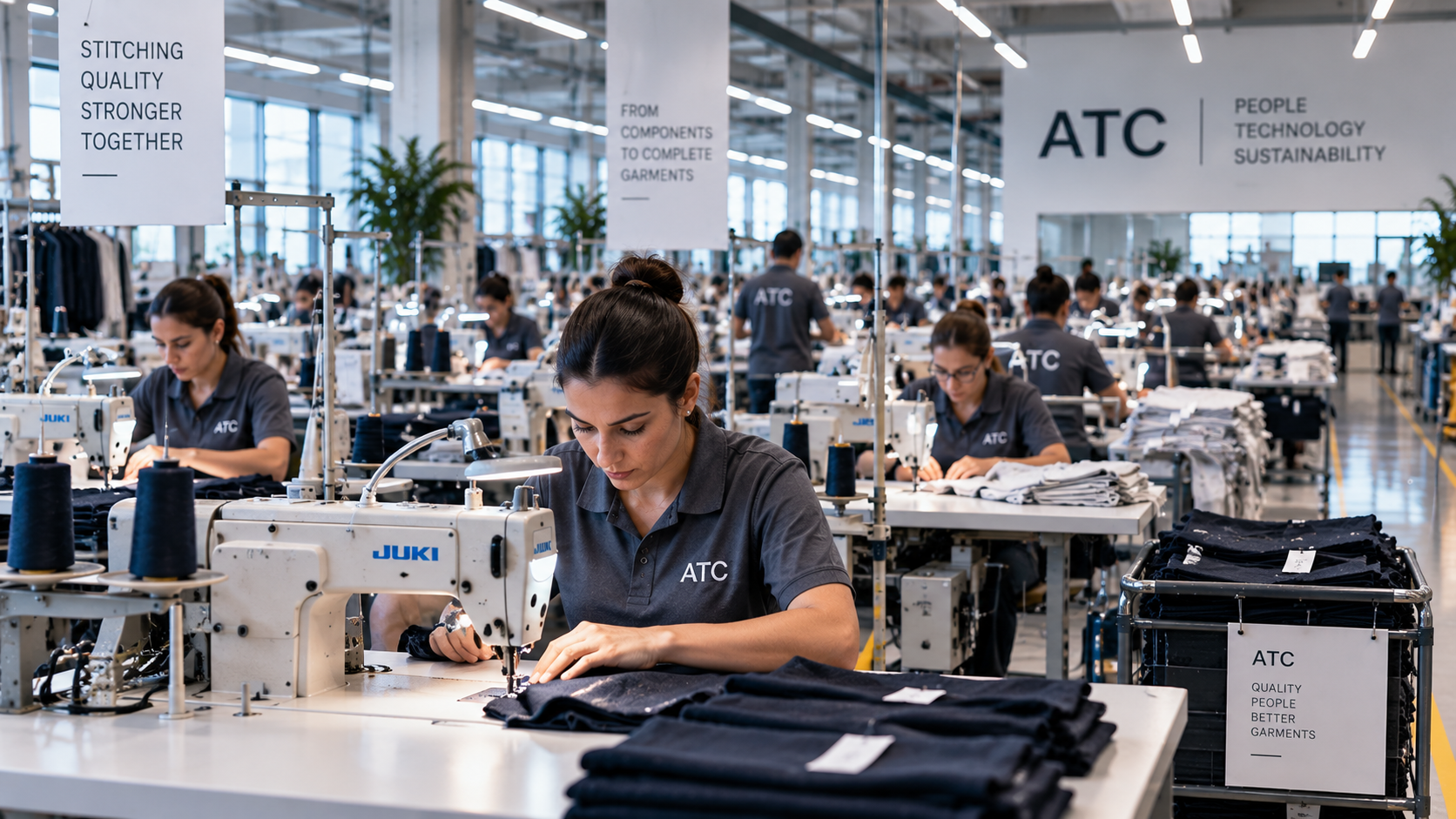
Before final assembly, individual garment components are prepared according to the specific construction requirements of each product.
Marking helps position components accurately, while folding and pressing may be used to prepare specific parts before stitching. The prepared components then enter the assembly line, where operators progressively combine them in the correct production sequence using specialised sewing equipment.
Quality control is integrated directly into the sewing process.
Semi-assembled and stitched garments are inspected throughout production to identify stitching faults at an early stage and allow immediate correction. Quality checks may be performed inline, through roaming inspection and at the end of the production line, helping maintain consistent standards before garments move to the next stage.
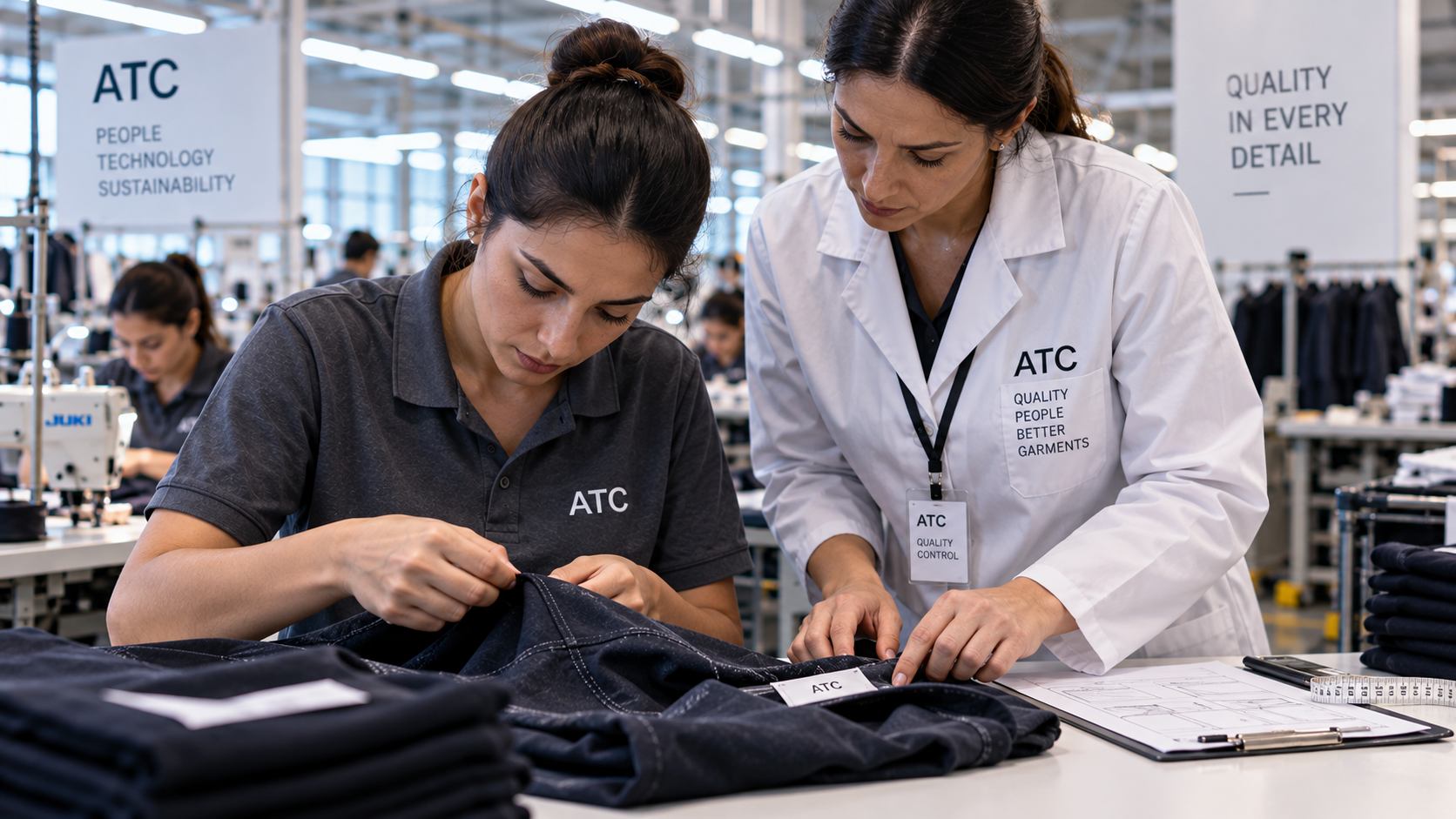
Production and quality data are collected throughout the manufacturing process to monitor performance and support production control.
Key performance indicators (KPIs) are used across production departments to evaluate efficiency, quality and progress against production targets.
Washing and finishing treatments are applied when required by the buyer or the specific product.
In addition to cleaning the garment, washing can be used to achieve particular visual and surface effects according to the required finish.
Garment finishing prepares completed garments for final inspection and presentation.
Loose and uncut threads, temporary production stickers and other remaining elements are removed before each garment undergoes an initial visual and measurement check. Construction, workmanship, labelling and overall appearance are inspected, while garments requiring correction are separated and returned for repair.
After inspection, garments are pressed to remove creases and wrinkles and achieve the required finished appearance.
Pressing equipment is selected according to the garment type and production requirements before the product proceeds to final quality control.
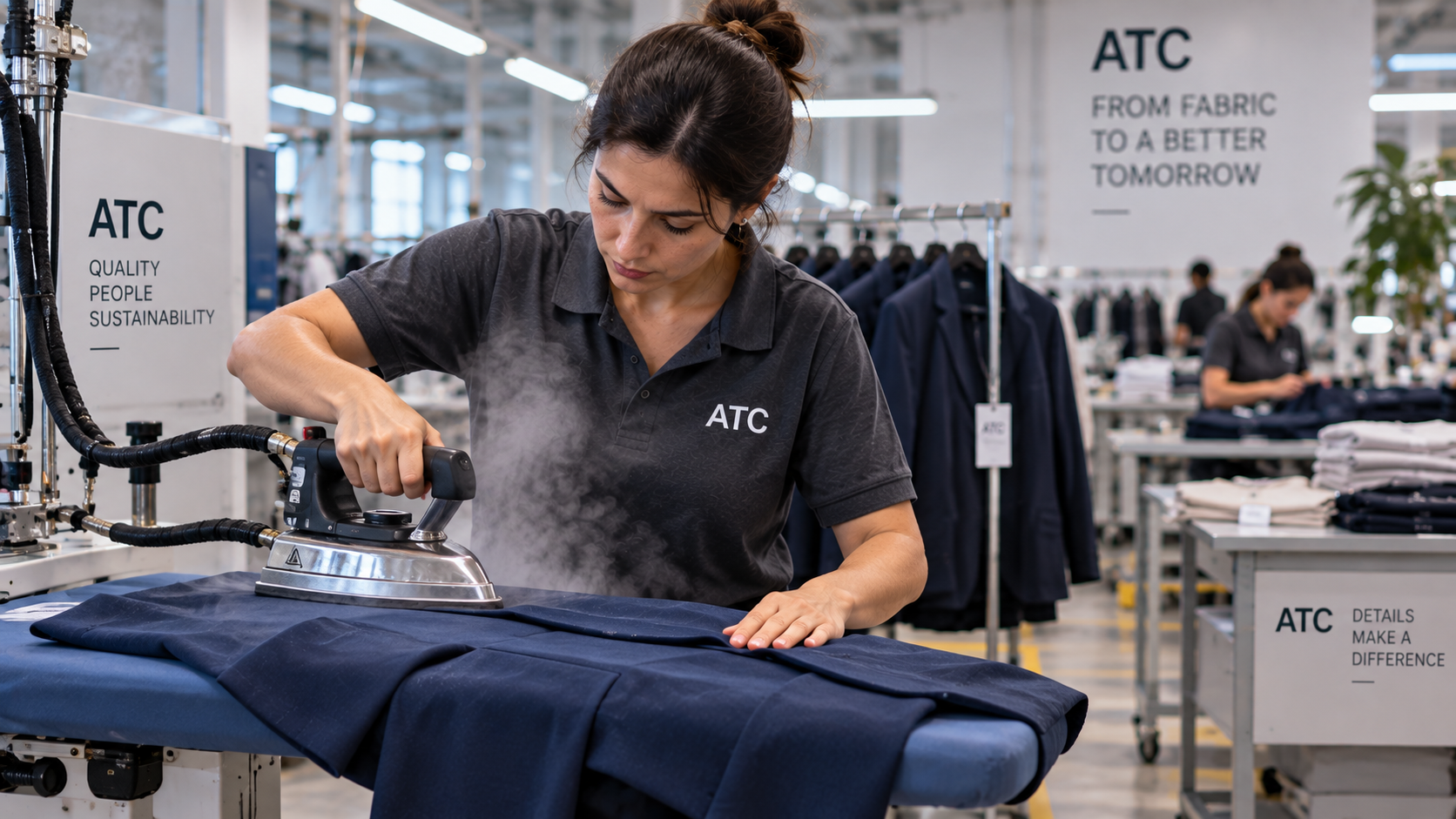
After pressing, garments undergo a final visual and measurement inspection. Size and content labels, shade consistency and overall appearance are checked before approval.
Any garment that does not meet the required standard is returned for correction before packing.
Approved garments are folded and prepared according to the buyer’s requirements. Tags and other required accessories are added before the garments are packed and organised for transport.
Packed products undergo a final internal quality audit before shipment, ensuring that only approved garments leave the production facility.